
24 Jun 2026
Post by usertopnews
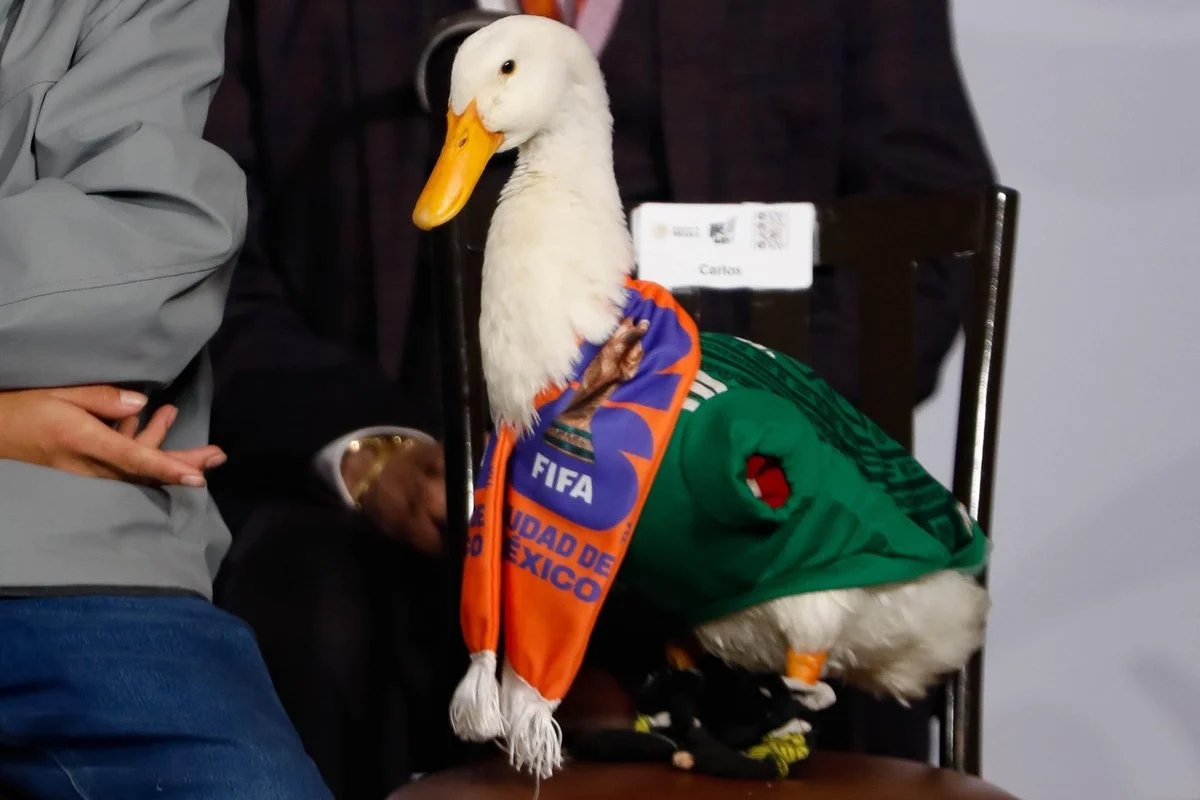
The “Merlín Duck,” an unexpected symbol of the 2026 World Cup, has been officially confirmed as the intellectual property of Carla Ivette Gómez’s family, according to Vidal Llerenas, president of Mexico’s Institute of Industrial Property (IMPI).
On the morning of Wednesday, June 24, 2026, Llerenas took to X (formerly Twitter) to settle the dispute surrounding the trademark, stating: “It is a public and well-known fact that the Merlín Duck is a mascot belonging to the family of Carla Ivette Gómez.”
This announcement comes after a flurry of trademark applications flooded IMPI on the night of June 17, just five days before Gómez herself filed her claim. At least four requests to register the name “Merlín Duck” were submitted within minutes of each other, sparking questions about the legitimacy and timing of these filings.
Here’s a breakdown of the key filings from that night:
– At 9:23 p.m., Rosa María Hernández Flores from Zapopan, Jalisco, filed application number 3643302 for “El Pato Merlín” under Class 41, covering entertainment services, event organization, and production.
– One minute later, Hernández Flores submitted application 3643303 under Class 35, which includes promotion, advertising, and marketing services.
– Forty seconds after that, she completed a third filing, 3643304, under Class 25, covering apparel such as t-shirts, caps, and jackets.
– All three applications list Carlos Alfonso Alvarado Butanda, based in Mexico City’s Santa María la Ribera neighborhood, as the legal representative.
– At 9:38 p.m., David Sides Fuentes from Mérida, Yucatán, filed application 3643308 for “El Pato Merlín, El Pato de la Suerte” under Class 35. This request is notably broad, including advertising, political campaigns, artist and athlete management, business incubators, and influencer marketing.
On June 22, Gómez personally visited IMPI after meeting with Mexico City’s mayor, Claudia Sheinbaum, at the National Palace. Sheinbaum publicly supported Gómez’s claim, stating, “It is not fair that someone else tries to register the duck as a trademark.” Gómez reported no issues during her visit to the trademark office.
This resolution highlights the importance of protecting cultural symbols and intellectual property, especially when they become part of a larger social and sporting narrative like the World Cup. For communities and families, securing these rights ensures that the symbol remains connected to its true origin and meaning.
As Mexico prepares for the global event, the Merlín Duck stands not only as a mascot but as a reminder of the value of creativity, identity, and rightful ownership.


1 comentario