
22 Jun 2026
Post by usertopnews
Monday morning, June 22, 2026, saw a heavy police presence on Puebla’s Periférico Ecológico near the Chapulco lagoon, following the discovery of a burned vehicle accompanied by a narcomanta—a banner allegedly linked to a criminal group. Early reports mistakenly claimed two charred bodies were found at the scene, sparking rapid speculation and widespread sharing on social media and digital outlets.
The incident led to a partial road closure and a swift response from security forces, while forensic experts and investigators began their work. However, as the day progressed, official information evolved.
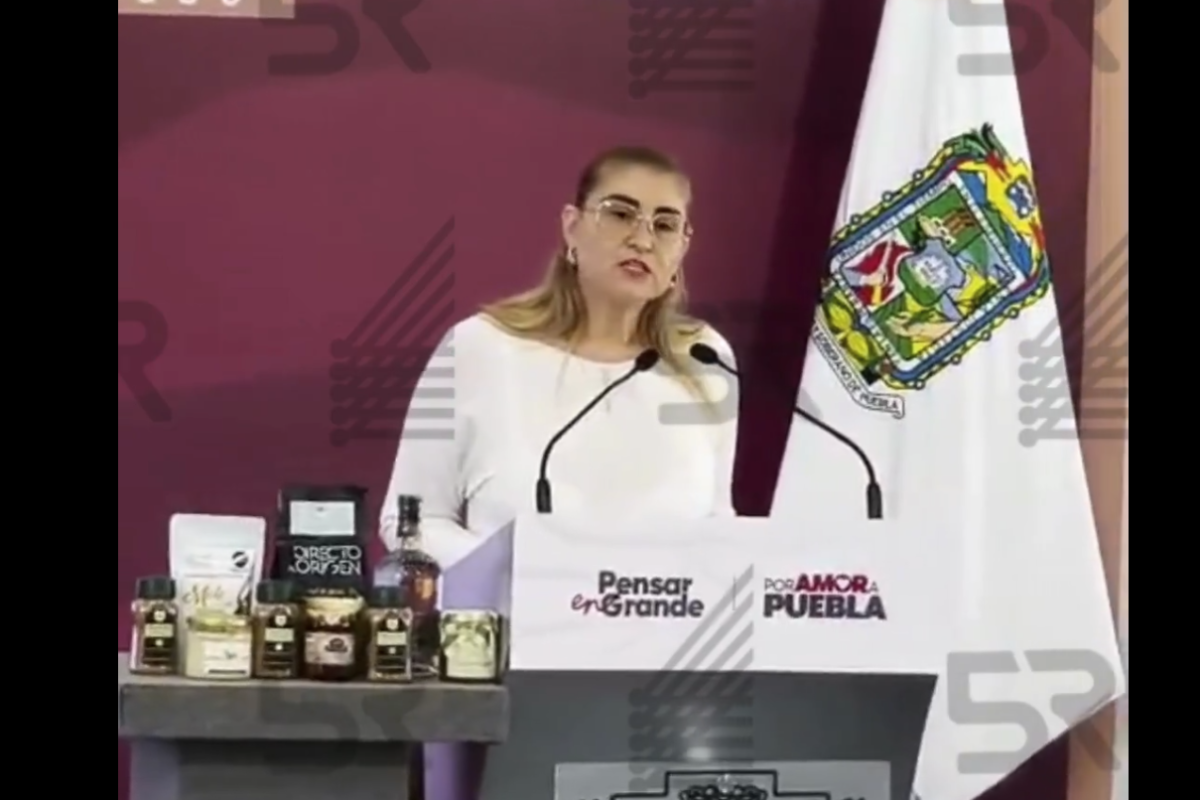
State prosecutor Idamis Pastor clarified that only one body was found inside the trunk of the burned Seat Ibiza, contradicting initial rumors of two victims. This correction highlights how quickly misinformation can spread online, especially in high-impact cases like this one.
The narcomanta remains a key element under investigation. Authorities have not confirmed its authenticity or direct connection to the crime, and details about the victim’s identity and the circumstances of the death have not been released.
This case underscores a growing challenge: social media often outpaces official investigations, with unverified details circulating before forensic teams complete their work. As of now, what’s confirmed is that one person died, a vehicle was set on fire, and the narcomanta’s origin is still being examined.
In a city like Puebla, where public safety and social inclusion are ongoing concerns, transparent and accurate communication from authorities is crucial to avoid fueling fear or misinformation. Meanwhile, investments in infrastructure like the upcoming cablebús system could offer safer, more equitable transit options, helping to reshape urban life beyond the shadows of violence.


1 comentario