
19 Jun 2026
Post by usertopnews
Journalists in the State of Mexico are raising alarms over what they describe as an attempt to criminalize their work following a controversial case involving the mayor of Tenancingo, Nancy Nápoles Pacheco. The collective “100 Journalists for the State of Mexico” has called on Governor Delfina Gómez Álvarez, the State Attorney General, and the local Congress to intervene amid growing concerns about press freedom.
The conflict centers on four journalists—Ángel Ávila Calvo, Alejandro López Vázquez, Ramón Castañeda Mondragón, and Arturo Escobar Sánchez—who contribute to the local news program “La Madeja Política de Tenancingo.” They were summoned by municipal police and are currently under investigation (case 275/2026) for alleged repeated digital violence, harassment, intimidation, and reputational damage linked to their social media posts about the mayor.
According to the journalists, their commentary, which includes sarcasm and irony, is part of their role in critically analyzing the municipal government’s performance, focusing on public services, infrastructure projects, transparency, salaries, and alleged nepotism. The case highlights the delicate balance between freedom of expression and the right to honor public officials, raising questions about how public interest should be weighed against political figures’ sensitivities.
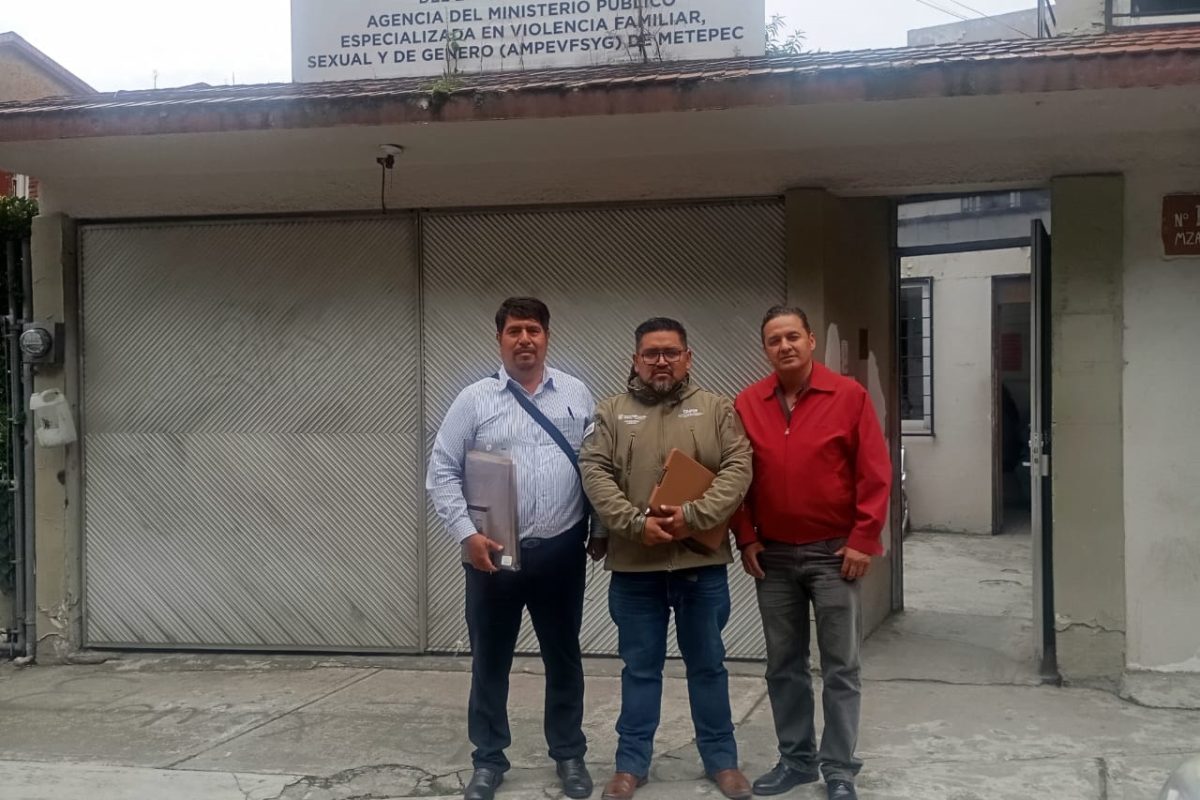
The journalists appeared before the Specialized Public Prosecutor’s Office for Family, Sexual, and Gender Violence (AMPEVFSG) in Metepec after being notified on June 2. During this process, they were warned about potential financial penalties for causing psychological harm to the mayor, who reportedly demands 125,000 pesos in damages from each journalist.
The collective also denounced that Mayor Nápoles Pacheco urged citizens to refrain from commenting on her administration or sharing local press content on social media, a move seen as restricting public debate and democratic discussion.
The mayor’s complaint stems from the journalists’ coverage of a supposed kidnapping she claimed to have suffered—a story she herself publicized through a video. The journalists maintain their work is grounded in investigative reporting and public information requests, firmly within their rights to freedom of expression and government oversight.
This situation underscores the ongoing challenges journalists face in Mexico, especially when holding local authorities accountable. The “100 Journalists for the State of Mexico” have urged state authorities to ensure safe conditions for journalistic work and to prevent any form of criminalization against media professionals, particularly as reforms to protect journalists and human rights defenders advance in the State of Mexico.
For migrants and international residents in Mexico, this case is a reminder of the importance of a free press in safeguarding transparency and democracy, especially in local communities where power dynamics can be more opaque.


1 comentario