
17 Jun 2026
Post by usertopnews
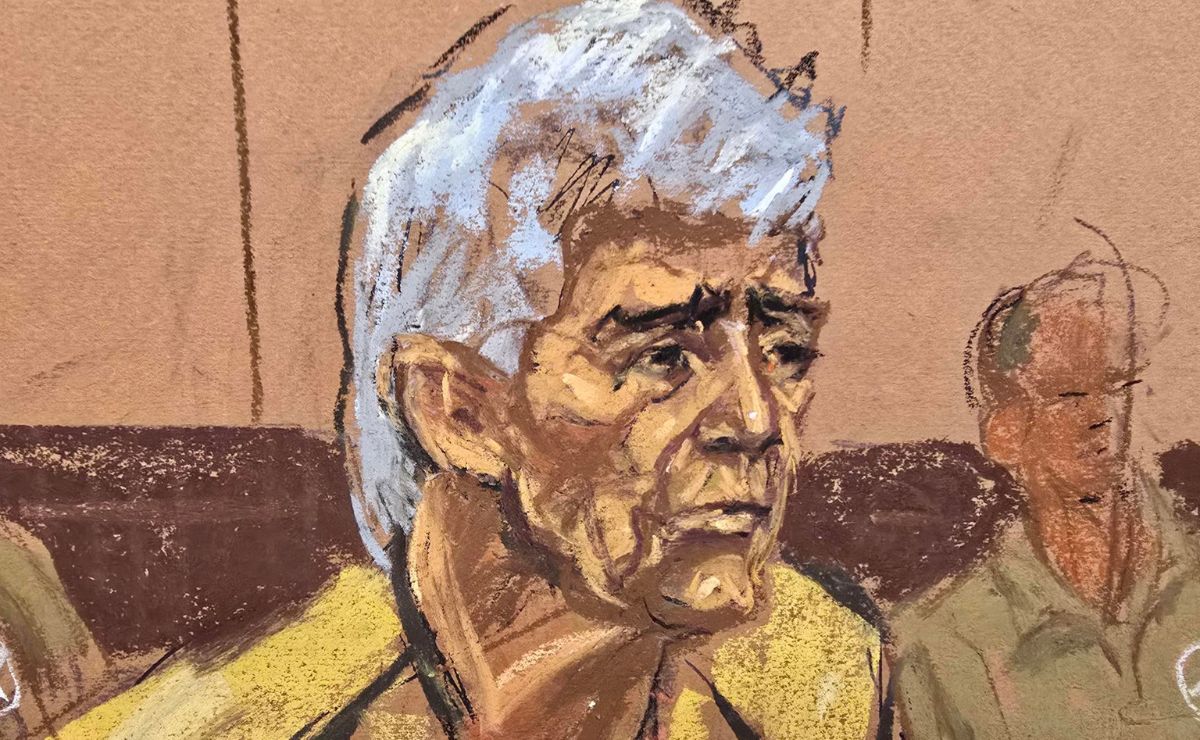
On Wednesday, June 17, 2026, Rafael Caro Quintero, co-founder of the now-defunct Guadalajara Cartel, appeared at a new hearing in his ongoing case in New York. During the session held at the Eastern District Court in Brooklyn, the U.S. prosecution requested that the jury for his trial be kept anonymous.
The hearing focused on classified documents and evidence to be presented during the trial, according to La Jornada. The prosecution also asked Judge Frederic Block to keep the jurors’ identities confidential, a request formally submitted the night before.
Specifically, the government wants the names, addresses, and workplaces of both potential jurors and the final panel to remain undisclosed to the defense and prosecution teams. Additionally, they proposed that jurors be transported daily to and from the courthouse by the U.S. Marshals Service and remain isolated from the public while at the court.
These measures, the prosecution argues, are essential to protect the trial’s integrity and ensure jury impartiality by preventing harassment, intimidation, or interference. The case involves charges of exceptional gravity, and Caro Quintero is believed to have the means and history to disrupt judicial proceedings—including the murder of a U.S. federal agent and continuing criminal activity while imprisoned in Mexico.
Despite these concerns, prosecutors left open the possibility of negotiating a plea deal with Caro Quintero during Wednesday’s hearing. So far, he has pleaded not guilty to all charges.
The Mexican national faces accusations in the U.S. of leading a criminal enterprise; murder—including the 1985 kidnapping, torture, and killing of DEA Special Agent Enrique ‘Kiki’ Camarena; two counts of international drug distribution; and illegal use of firearms to promote drug trafficking.
Known as the ‘Narco of Narcos,’ Caro Quintero was extradited from Mexico to the U.S. alongside 28 other cartel leaders, including Vicente Carrillo Fuentes and the Treviño Morales brothers, co-founders of the Zetas cartel.
This high-profile case highlights ongoing challenges in cross-border justice and the complexities of dismantling entrenched criminal networks. For communities affected by cartel violence and those navigating life between Mexico and the U.S., the trial’s outcome could have significant implications for law enforcement and justice efforts on both sides of the border.


1 comentario