
16 Jun 2026
Post by usertopnews
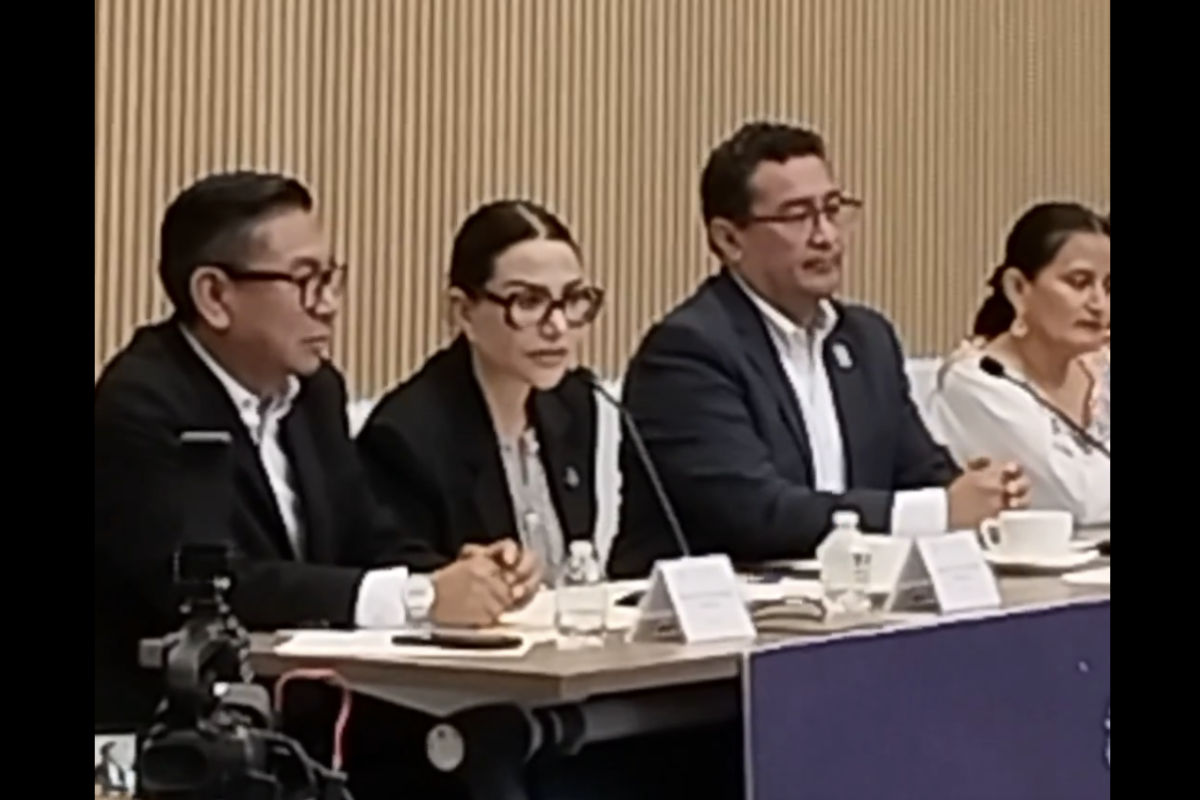
On Tuesday, June 16, 2026, local deputy Nayeli “Nay” Salvatori addressed the controversy surrounding her comments on the arrest of Ariana F., a woman detained by municipal police in San Andrés Cholula. Salvatori emphasized that she never defended driving under the influence but instead highlighted possible irregularities during the detention process.
The case gained public attention after videos showing the arrest circulated widely on social media and digital platforms. Salvatori stated, “I did not defend anyone in a state of intoxication; what I exposed were the alleged irregularities in the detention of a woman in San Andrés Cholula.” Her remarks came amid growing criticism questioning her stance.
Salvatori clarified that her focus has been on scrutinizing the conduct of the police officers involved, not justifying the driver’s behavior. She also expressed concern over the leak of security footage related to the arrest. The deputy criticized Guadalupe Cuautle Torres, the mayor of San Andrés Cholula, for claiming ignorance about who leaked the videos recorded by official cameras and devices. “It is serious that the mayor does not know, or pretends not to know, who leaked the videos from her police,” Salvatori said.
Adding to the developments, Salvatori revealed that Ariana F. has already filed a formal complaint, allowing authorities to investigate the incident thoroughly. This contrasts with earlier statements from municipal officials who claimed no knowledge of any formal complaint filed by the woman.
The case remains under investigation by multiple bodies. The Puebla State Human Rights Commission has opened an official complaint against five municipal police officers from San Andrés Cholula. Meanwhile, the state government has questioned the police force’s actions and adherence to detention protocols.
What started with the release of videos from an arrest at the Parque Intermunicipal de Cholula has evolved into a broader political and legal debate about police use of force, detainees’ rights, and the responsibility of authorities in handling sensitive information obtained during police operations.
For communities navigating public safety and civil rights, this case highlights the importance of transparency and accountability in law enforcement—issues that resonate deeply with many migrants and young people advocating for fair treatment and respect under the law.


1 comentario