
16 Jun 2026
Post by usertopnews
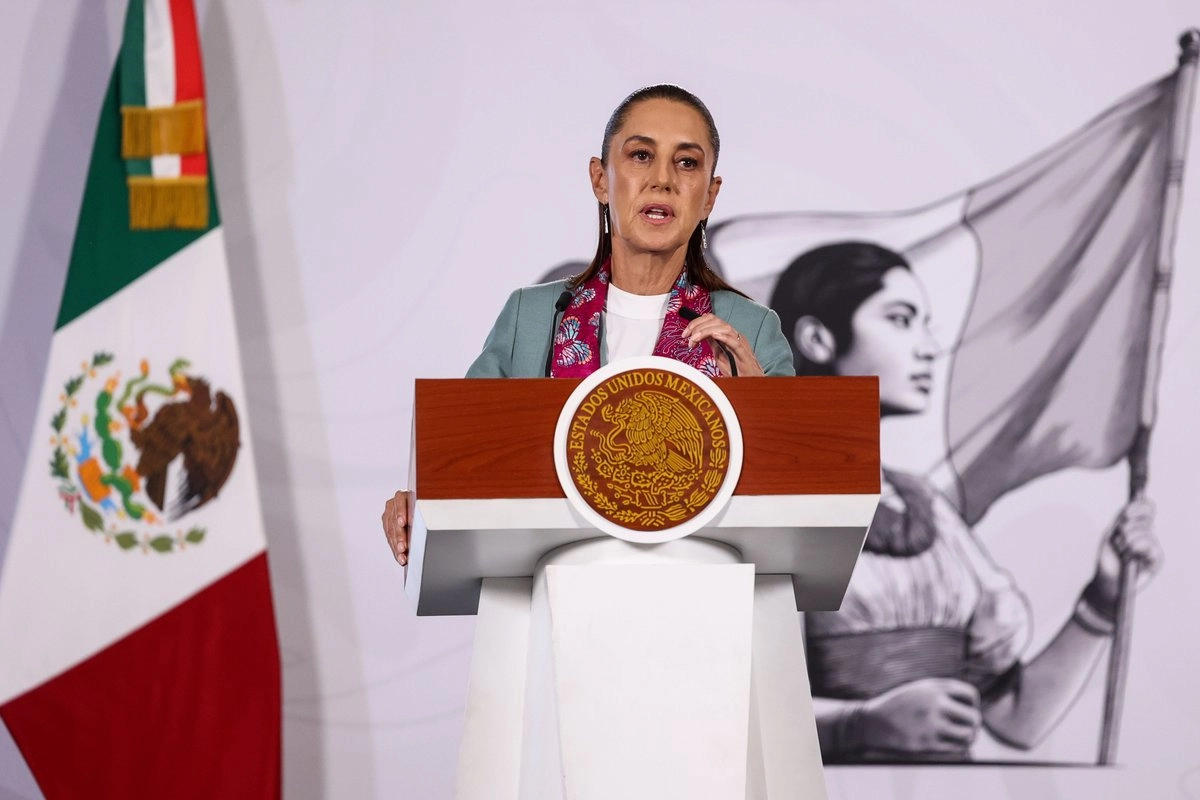
On Tuesday, June 16, 2026, Mexico’s President Claudia Sheinbaum Pardo made clear that if the United States does not provide evidence linking Sinaloa’s governor on leave, Rubén Rocha Moya, and other former state officials to organized crime, Mexico will reject the US Department of Justice’s request for their detention with the aim of extradition.
During her press conference, Sheinbaum emphasized that so far, Mexico has neither received the requested evidence nor the formal extradition documents from the US authorities. This lack of transparency complicates the process and raises questions about the basis of the accusations.
Omar García Harfuch, Mexico’s Secretary of Security and Citizen Protection, added that neither Rocha Moya nor the other former officials have requested federal protection measures, nor has the federal government offered them. Currently, Rocha Moya is protected by state government or state prosecutor’s office security personnel.
Sheinbaum explained:
– “If the United States does not deliver the evidence, the urgent detention request can be rejected, regardless of the investigation conducted by Mexico’s Attorney General’s Office.”
– She also noted that the US could formally request extradition through judicial proceedings, which would require presenting sufficient evidence.
This situation is not unique. Sheinbaum cited the example of the former governor of Tamaulipas, whose urgent detention request for extradition was denied due to insufficient evidence from the US Department of Justice. She mentioned that there are about 10 to 15 similar cases, some of which have been presented in Mexico.
Importantly, there is no set deadline for the US to submit the documents or evidence related to Rocha Moya and the other former officials. As of today, June 16, 2026, Mexico has not received any such materials.
This stance highlights ongoing challenges in cross-border legal cooperation and underscores the importance of transparent evidence-sharing in extradition cases. For migrants and international observers, it’s a reminder of the complexities involved when justice systems intersect across borders.


1 comentario