
15 Jun 2026
Post by usertopnews
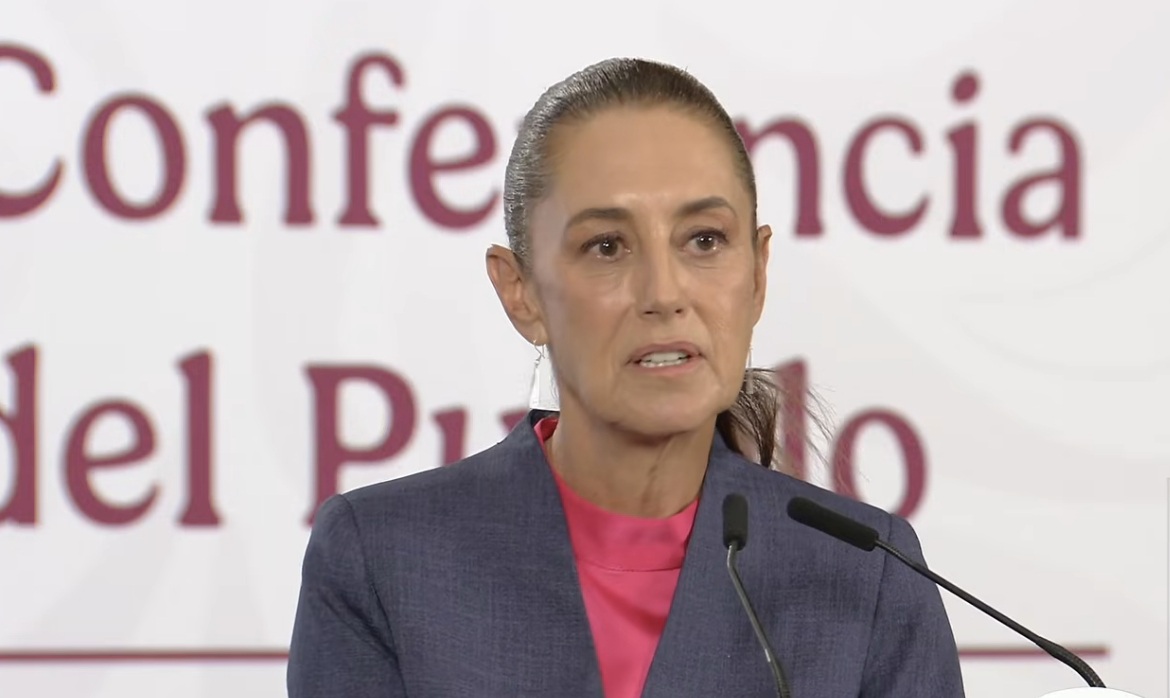
On Monday, June 15, 2026, President Claudia Sheinbaum confirmed that she altered her weekend agenda to avoid clashes and blockades by dissident teachers in Zacatecas. Instead of proceeding with her official visit to Zacatecas, she traveled to San Luis Potosí to prevent interruptions or violent protests during public events at a time when Mexico is under international scrutiny.
Sheinbaum explained that open communication channels with the Ministries of the Interior and Public Education made street confrontations unnecessary, calling the current moment a “bad time” to provoke social tension. “There was expected to be some interruption at the events, so if we are in a World Cup spirit, it’s better to go to San Luis and reschedule Zacatecas,” she said, referring to mobilizations by the National Coordinator of Education Workers (CNTE) and local groups.
The president described the day in San Luis Potosí as positive, highlighting a joyful encounter with young people with Down syndrome who had won a tournament. “It was very fun; we all enjoyed ourselves a lot, playing penalty shots,” she shared.
This decision comes amid a temporary pause by the federal government in seeking direct talks with the CNTE’s national leadership. Meanwhile, the number of teachers camped in Mexico City’s Historic Center dropped sharply from nearly 2,000 to just over 600 over the weekend. Despite this, the CNTE is shifting its pressure tactics to major communication arteries across the country.
For migrants and young people following Mexico’s political landscape, this episode reflects the government’s balancing act between maintaining public order and respecting social movements during a sensitive period. It also underscores the importance of strategic communication and flexibility in leadership—qualities that resonate beyond borders.



1 comentario