
12 Jun 2026
Post by usertopnews
On Friday, June 12, 2026, Puebla’s mayor, José Chedraui, found himself at the center of a national controversy after reports surfaced that he could face serious penalties from FIFA. The reason? The unauthorized use of the World Cup broadcast signal during the event’s inauguration.
The revelation came during the radio program “Así Las Cosas” on W Radio, where journalist Javier Tejado disclosed that Chedraui was the only public official in Mexico to have “pirated” the international broadcast signal and shown it on giant screens in Puebla’s main square, the Zócalo, without proper authorization.
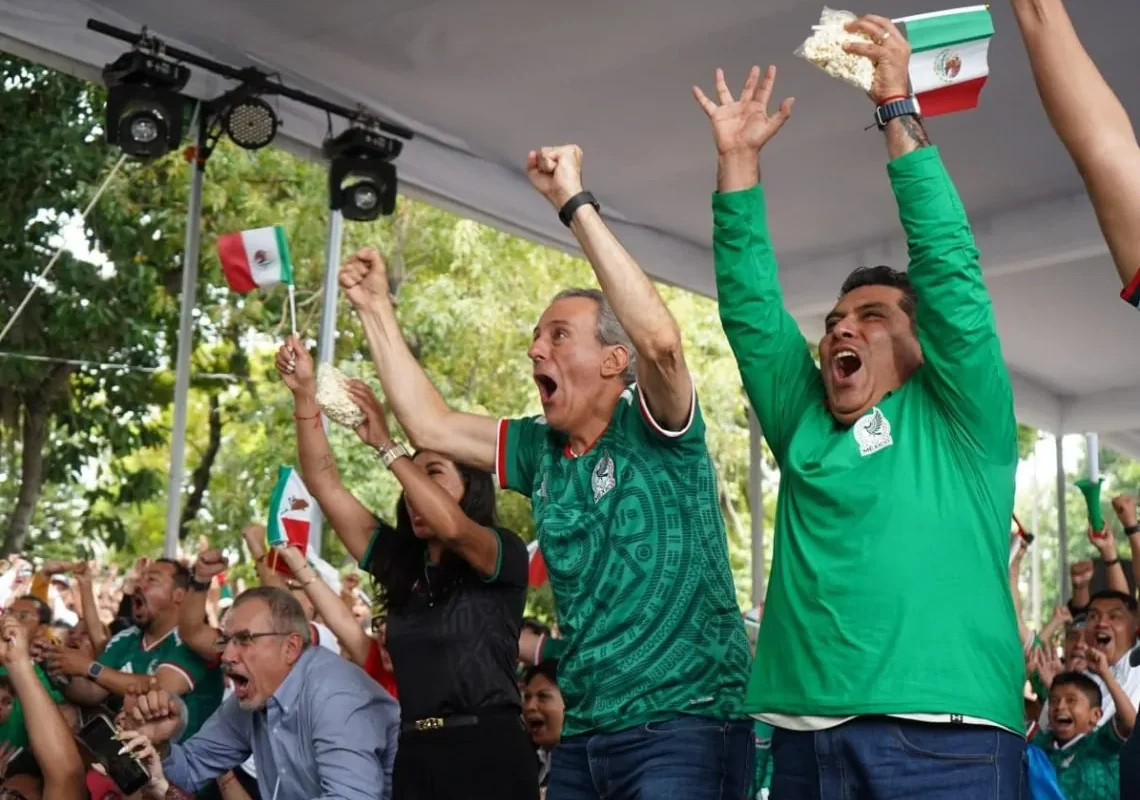
This “pirate Fan Fest,” as Tejado described it, was organized by the municipal government, which allegedly used a commercial license intended only for bars and restaurants to bypass FIFA’s strict payment and protocol requirements for public mass events.
While this move raises legal and ethical questions, it also highlights the city’s effort to bring the excitement of the World Cup to public spaces, making the event accessible to those who might not afford private viewing. However, the cost of this initiative could be a hefty fine from FIFA, likely to be imposed next year, potentially leaving the issue for a future administration to handle.
For migrants and international residents in Mexico, this case underscores the complexities of public access to global events and the balance between regulation and community engagement. Puebla’s approach, though controversial, reflects a desire to democratize cultural experiences, even if it challenges established rules.


1 comentario