
11 Jun 2026
Post by usertopnews
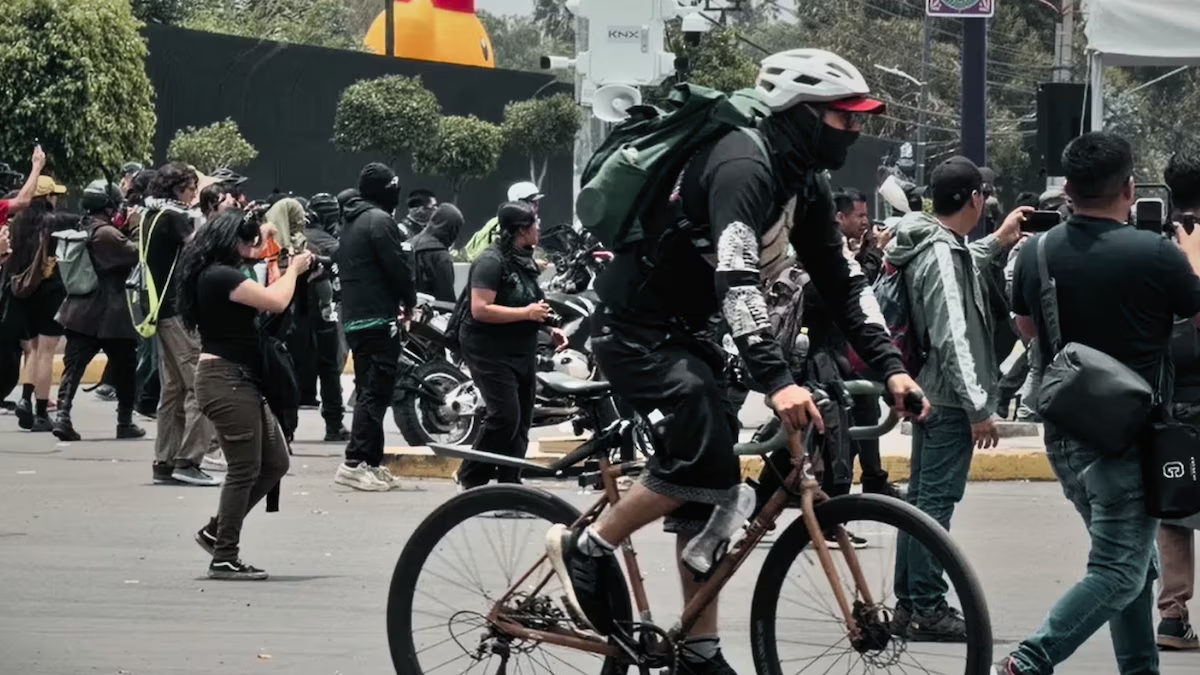
On Thursday, June 11, 2026, the inauguration of the 2026 World Cup at the Estadio Ciudad de México was marked not only by excitement but also by confrontation. Early that morning, starting at 7:30 a.m., a student march from UNAM gathered at the Universidad Metro station on Line 3, aiming to voice concerns about the tournament’s inclusivity.
The protesters carried signs declaring that Mexico is hosting an “exclusive” World Cup, highlighting that “not everyone is included.” Due to the closure of the ‘Los Bigotes’ access point at Ciudad Universitaria, the group rerouted along Avenida del Imán.
Among the marchers, the so-called “black bloc” appeared as self-appointed protectors of the demonstrators. However, their presence escalated tensions. Reports indicate that members of this group caused damage to UNAM and Cenapred facilities, destroyed C5 surveillance cameras, and vandalized public transportation vehicles, including trolleybuses, as well as private cars parked nearby.
Violence spilled over to World Cup fans wearing Mexican national team jerseys en route to the stadium. Some black bloc members reportedly attacked these supporters, even targeting families with children, attempting to block their passage.
Social media footage captured the black bloc breaking windows and causing destruction at Gate 8 of the Estadio Ciudad de México during the opening match between Mexico and South Africa.
In response, the Secretariat of Citizen Security evacuated journalists to safer areas such as parking lots and neutral zones to prevent further harm. As of now, there are no official reports of injuries or arrests.
This incident underscores the complex social dynamics surrounding the World Cup, where calls for inclusivity and protest coexist with the celebration of a major international event. Meanwhile, investments in public infrastructure like the upcoming cablebús in Puebla continue to offer promising alternatives for accessible and sustainable urban mobility in Mexico.



1 comentario